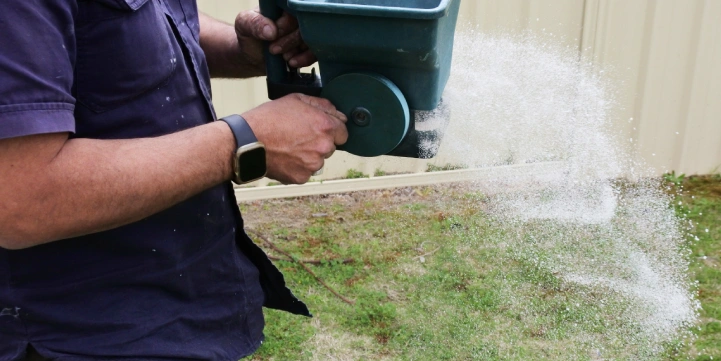

Understanding Your Louisville Lawn
Before we dive into the calendar, let’s talk about what we’re working with. Louisville is located in USDA growing zones 6b to 7a, which means we experience hot summers and cold winters. Most lawns here feature cool-season grasses like tall fescue, Kentucky bluegrass, and perennial ryegrass.
These grasses love spring and fall weather but struggle during our hot July and August months. That’s why timing your lawn care activities matters so much. Do the right thing at the wrong time, and you’ll stress your grass instead of helping it.
Spring Lawn Care: Wake Up Your Grass (March – May)
Spring is when your lawn comes back to life after winter dormancy. This season sets the foundation for the entire year, so don’t skip these critical steps.
March: Time to Get Started
Clean Up First Walk your yard and remove any debris that accumulated over winter. Pick up sticks, rake out dead leaves, and clear those matted areas where snow sat for weeks. Your grass needs sunlight and air circulation to start growing.
When Should I Apply Pre-Emergent Herbicide? This is one of the most common questions I hear. Apply pre-emergent herbicide in mid to late March, before soil temperatures reach 55°F consistently. In Louisville, this usually happens around March 15-25, depending on the year.
Pre-emergent herbicide stops crabgrass and other annual weeds before they germinate. Miss this window, and you’ll spend all summer fighting weeds that could have been prevented.
April: Core Maintenance Tasks
What Month Should I Aerate My Lawn? April is perfect for aeration in our area. Core aeration relieves soil compaction and helps water, air, and nutrients reach the grass roots. If your lawn gets heavy foot traffic or has clay soil (common in Louisville), aeration makes a huge difference.
Rent a core aerator from your local equipment rental shop. The machine pulls plugs of soil from your lawn, creating small holes. Leave those plugs on the surface – they’ll break down and add organic matter back to your soil.
First Fertilizer Application Once soil temperatures hit 55°F, apply a slow-release fertilizer. Cool-season grasses wake up hungry after winter. A balanced fertilizer with nitrogen, phosphorus, and potassium gives your grass the nutrients it needs to grow thick and green.
May: Fine-Tuning for Success
When Is the Best Time to Overseed? While fall is ideal for overseeding cool-season grasses, late April to early May works as a secondary option. If you have bare spots or thin areas, now’s the time to fix them before summer heat arrives.
Overseed after aerating for best results. The holes from aeration create perfect seed beds. Water new seed areas daily until germination occurs.
Start Regular Mowing Begin your weekly mowing schedule. Set your mower to cut at 3-4 inches high. Taller grass develops deeper roots and handles summer stress better than short grass.
Summer Lawn Care: Survival Mode (June – August)
Summer in Louisville tests your lawn’s limits. Temperatures often hit 90°F or higher, and humidity makes everything worse. Your goal isn’t perfection – it’s helping your grass survive until fall.
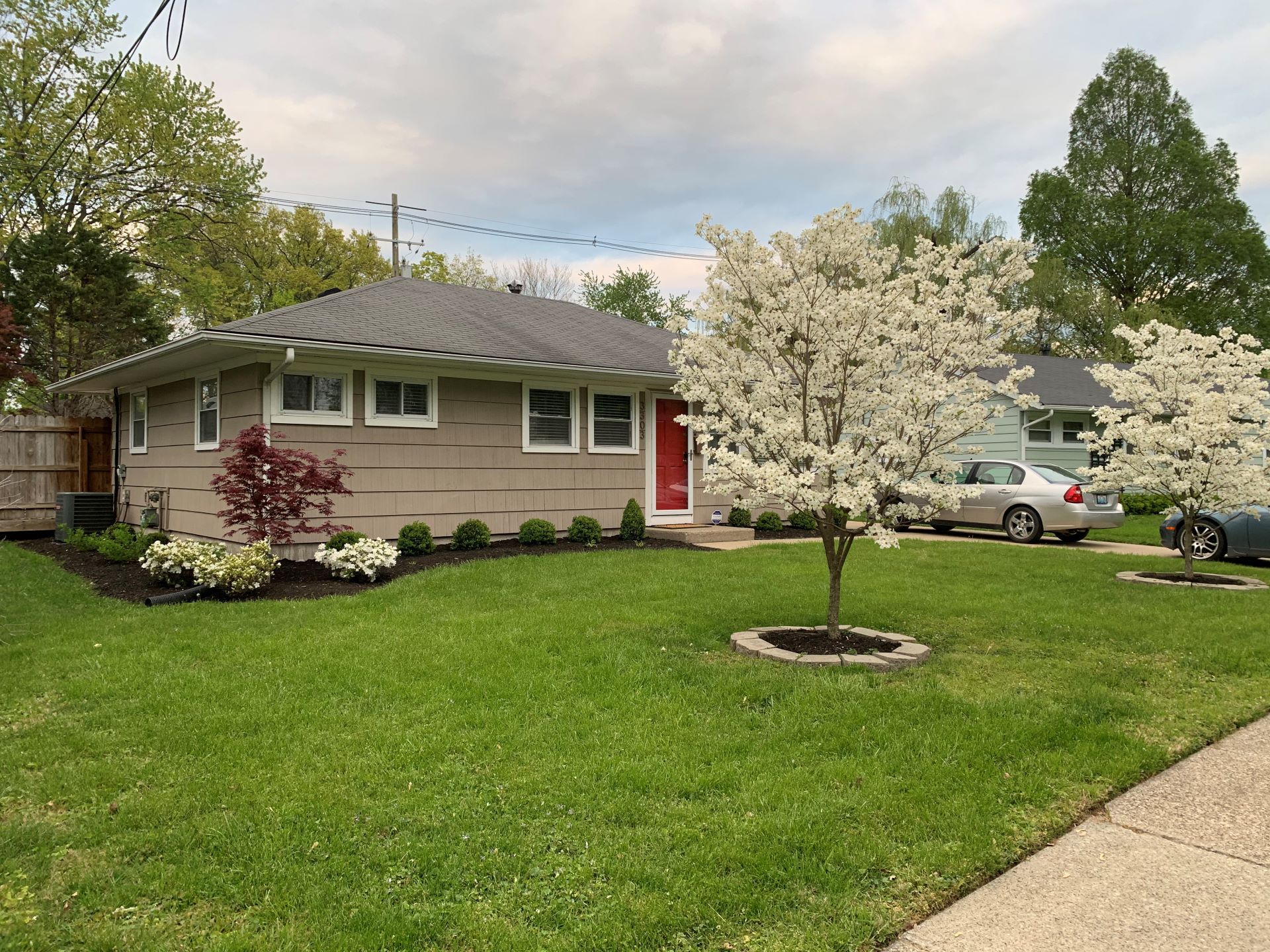
How Do I Prepare My Lawn for Summer Heat?
Adjust Your Mowing Raise your mower deck to its highest setting. Cut grass at 4 inches or taller during summer months. This extra height provides shade for grass roots and helps retain soil moisture.
Never cut more than one-third of the grass blade at one time. If your grass gets too long, gradually bring it down over several mowings.
Deep, Infrequent Watering Water your lawn 2-3 times per week, applying 1-1.5 inches total. Water early morning (5-9 AM) to reduce evaporation and prevent disease. Deep watering encourages roots to grow down instead of staying shallow.
Skip daily light watering – it creates weak, shallow root systems that can’t handle drought stress.
Summer Fertilizing Strategy Avoid heavy nitrogen fertilizer during peak summer heat. If you must fertilize, use a light application of slow-release fertilizer in early June. Too much nitrogen during hot weather stresses cool-season grasses.
Pest and Weed Management
Summer brings grubs, chinch bugs, and various weeds. Monitor your lawn regularly for brown patches or unusual damage patterns. Treat problems quickly before they spread.
For summer weeds like crabgrass that made it past your pre-emergent, spot-treat with a post-emergent herbicide. Choose products safe for your grass type and follow label directions carefully.
Fall Lawn Care: Recovery and Preparation (September – November)
Fall is the most important season for cool-season grass care. Temperatures cool down, rainfall increases, and your grass starts growing vigorously again.
September: Recovery Month
Second Fertilizer Application Apply fertilizer in early September when nighttime temperatures drop below 70°F consistently. Use a fertilizer high in nitrogen to promote thick growth and good color.
Aeration (Second Option) If you didn’t aerate in spring, September offers another opportunity. Fall aeration helps your lawn recover from summer stress and prepares it for winter.
Best Time for Overseeding Fall is absolutely the best time to overseed cool-season grasses in Louisville. Soil is still warm from summer, but air temperatures are cooling. This combination promotes fast germination and strong root development before winter.
Overseed between September 1 and 15 for best results. Later than mid-September, and new grass may not establish properly before cold weather.
October: Strengthen and Protect
Fall Fertilizer Application Apply a winterizing fertilizer in mid to late October. This feeding helps grass store energy for winter and promotes early spring green-up.
Continue Overseeding You can continue overseeding through early October if needed. Keep new seed areas moist but not soggy.
Leaf Management Don’t let thick layers of leaves smother your grass. Rake or blow leaves regularly, or mulch them with your mower if the layer is thin.
November: Final Preparations
Last Mowing Continue mowing until grass stops growing. For your final cut of the season, lower your mower deck slightly to 2.5-3 inches. This helps prevent snow mold and makes spring cleanup easier.
Final Fertilizer Some lawn care professionals recommend a final light fertilizer application in late November. This “winterizer” application provides nutrients for spring green-up.
Winter Lawn Care: Protection Mode (December – February)
Winter lawn care is mostly about protection and planning.
Minimize Traffic
Stay off your lawn when it’s frozen or snow-covered. Foot traffic on dormant grass can cause permanent damage that won’t show up until spring.
Plan for Next Year
Winter is perfect for equipment maintenance. Sharpen mower blades, service your spreader, and plan next year’s lawn care schedule.
Avoid Rock Salt
If you need to melt ice near your lawn, use calcium chloride instead of rock salt. Rock salt damages grass and soil.
Monthly Lawn Care Checklist
March:
- Clean up debris
- Apply pre-emergent herbicide
- Begin mowing when the grass reaches 4 inches
April:
- Core aerate the lawn
- Apply the first fertilizer
- Overseed thin areas
- Start weekly mowing schedule
May:
- Continue overseeding if needed
- Monitor for pests and diseases
- Maintain a 3-4 inch cutting height
June-August:
- Raise the mower to the highest setting
- Water deeply 2-3 times per week
- Spot-treat summer weeds
- Monitor for stress and pests
September:
- Apply fall fertilizer
- Overseed (best time)
- Resume normal mowing height
- Aerate if not done in spring
October:
- Continue overseeding through early months
- Apply winterizing fertilizer
- Manage fallen leaves
- Maintain regular mowing
November:
- Final fertilizer application
- Lower cutting height forthe last few mows
- Continue leaf management
- Prepare equipment for winter storage
December-February:
- Minimize lawn traffic
- Plan next year’s schedule
- Maintain equipment
- Avoid using rock salt near grass
Your Path to Lawn Success
Creating a beautiful lawn in Louisville takes consistency – do the right things at the right time, and your grass will reward you with thick, healthy growth.
Every lawn is different, so use this calendar as your foundation and adjust based on how your grass responds. If managing all these tasks feels overwhelming, consider working with a professional lawn care service. At David’s Lawn Service, we’ve helped countless Louisville homeowners create the lawn of their dreams using these same principles.
Your neighbors will start asking what your secret is. Just smile and tell them it’s all about timing.